

Yup, welcome to the new wave of digital deception—deepfakes and AI scams—where technology can now convincingly mimic someone’s face, voice, and even speaking style. On the other hand, we as digital users need to become more vigilant than ever. Personal data—once considered “just a name and a phone number”—has now become the gateway to high-level digital traps that can cost you dearly.
So, if you don’t want to be the next victim, here are a few simple yet essential tips to help protect your personal data in this increasingly advanced (and sneaky) digital age:
1. Don’t Overshare Personal Info on Social Media
You might not realize it, but details like your birthdate, your mother’s maiden name, your favorite school, or even your pet’s name can become “answers” for scammers trying to hack your accounts. Think twice before posting “Fun Facts About Me” or joining those trendy quizzes that ask for personal information.
What should you do?
- Avoid sharing information commonly used for account verification.
- Turn off location tagging when posting, especially if it reveals your home or daily routine.
2. Be Cautious of Fake Voices and Faces (Deepfakes)
Deepfake technology can generate incredibly realistic fake videos or voice recordings. Many fraud cases today involve scammers cloning the voice of a colleague, family member, or boss using AI.
What should you do?
- Always double-check any suspicious request through official channels—even if it “sounds exactly like them.”
- Don’t trust viral videos or content shared through messaging apps without verifying the source.
3. Enable Two-Factor Authentication (2FA)
Passwords alone aren’t enough. Turn on 2FA for important accounts like your email, mobile banking, and social media to add an extra layer of security.
Why is this important?
Because even if someone gets your password, they still can’t access your account without your second authentication method. Think of it as a spare key only you have.
4. Do Regular Digital Clean-ups
Ever signed up for websites or apps that you no longer use? These inactive accounts can be a potential data breach risk.
What should you do?
- Delete old accounts you no longer need.
- Use different passwords for different accounts, and consider using a password manager to stay organized.
5. Use Official Apps and Keep Them Updated
Avoid downloading apps from shady sources. Many fake apps are designed to steal your data—including contacts, location, and even your photos.
What should you do?
- Only download apps from trusted platforms like Google Play Store or the Apple App Store.
- Always keep your apps and operating system up to date for the latest security protections.
6. Protect Your Voice and Face in the Digital World
Your voice can now be cloned, and your face can be manipulated—even used in illegal content.
What should you do?
- Avoid publicly sharing too many videos that clearly capture your face and voice—especially if they contain personal details.
- Never send sensitive voice or video recordings to people you don’t fully trust.
Stay Alert, Not Afraid
Yes, technology is getting smarter—and unfortunately, so are the scammers. But that doesn’t mean we have to live in fear. The key lies in awareness and healthy digital habits. Don’t trust too easily, double-check when in doubt, and treat your personal information as you would any valuable possession.
Because in today’s digital world, we need to be smarter than the scammers.
Back To List
Saat menggunakan produk atau layanan jasa keuangan, mungkin ada saatnya kamu bertanya-tanya: “Data saya dipakai untuk apa, ya?”
See More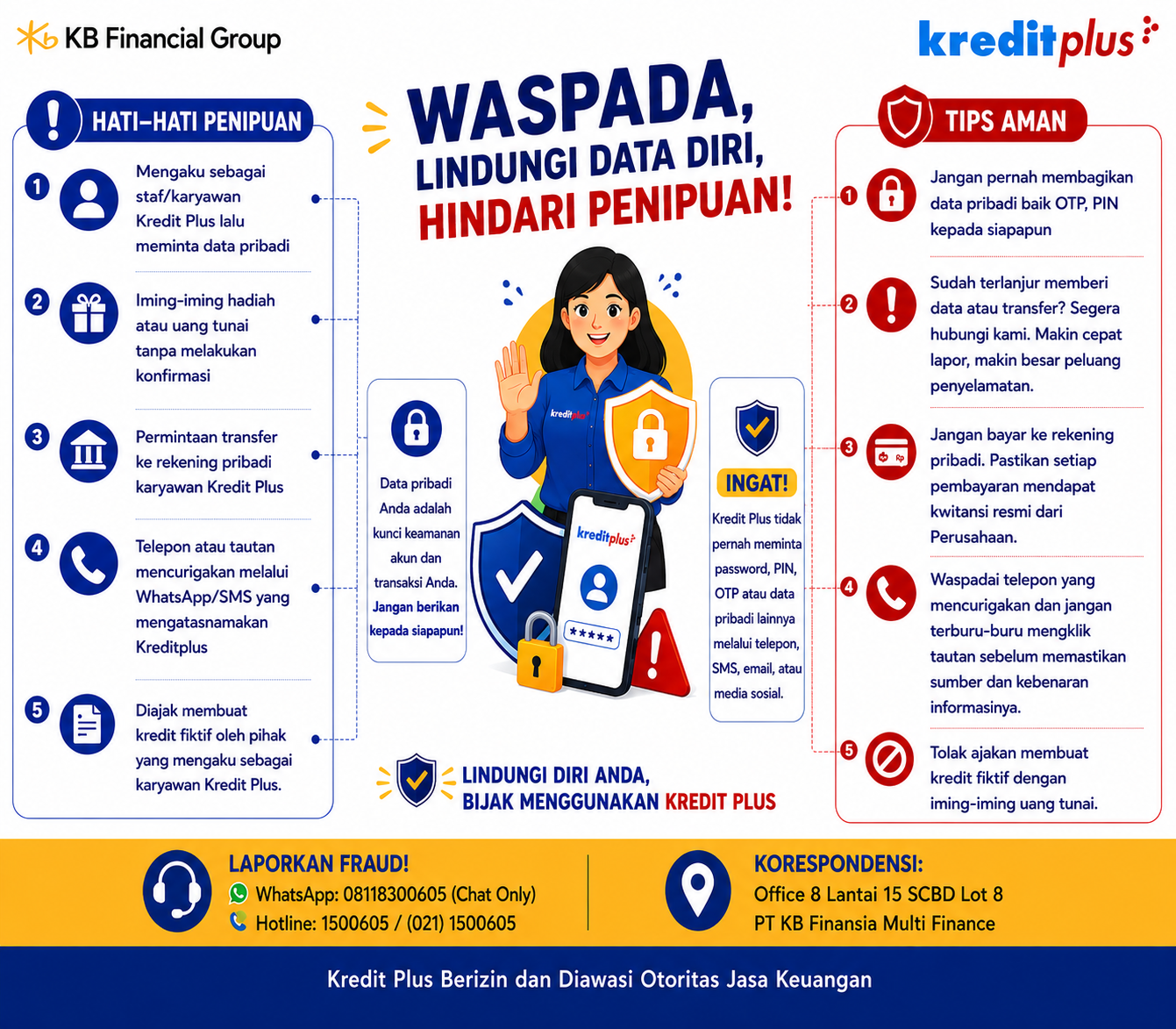
Penipuan bisa menimpa siapa saja. Selalu jaga kerahasiaan kode OTP, PIN, dan password Anda agar tidak disalahgunakan oleh pihak yang tidak bertanggung jawab.
See More