
Or maybe you’ve seen a message like this: “Your account will be blocked within 24 hours. Verify now!” If yes, then you’re probably under attack — not physically, but digitally. And this is where security awareness comes in — understanding how to protect your personal data in the online world.
What Is Security Awareness?
Simply put, it’s about how aware you are in keeping your personal information safe from digital threats like online scams, identity theft, or data breaches. Because, really — what’s the point of having a super strong password if you still click random links from strangers, right?
What Counts as Personal Data?
Many people don’t realize that personal data goes way beyond just your ID card. It includes things like:
…even your online shopping history counts!
If this data falls into the wrong hands, it can be misused for phishing, scams, or even identity theft.
Common Digital Threats
Simple Ways to Keep Your Data Safe
1. Don’t click suspicious links.
Always double-check the domain. For example: bankbca.co.id is very different from bankbca-id.com.
2. Use strong and unique passwords.
Avoid simple ones like “123456” or your birth date. Combine uppercase, lowercase, numbers, and symbols.
3. Enable two-factor authentication (2FA).
Think of it as having a double lock for your account an absolute must.
4. Don’t post personal IDs on social media.
Not everything needs to be shared online especially sensitive data like your ID card or flight ticket with a barcode.
5. Check app permissions before installing.
If a camera app suddenly asks for access to your contacts and location that’s a red flag.
6. Always log out when using public or shared devices.
Especially in internet cafés, office computers, or your friend’s laptop. And be cautious when using public Wi-Fi, like in train stations or airports.
Don’t trust easily, don’t click blindly, and always think twice before sharing your personal data.
Back To List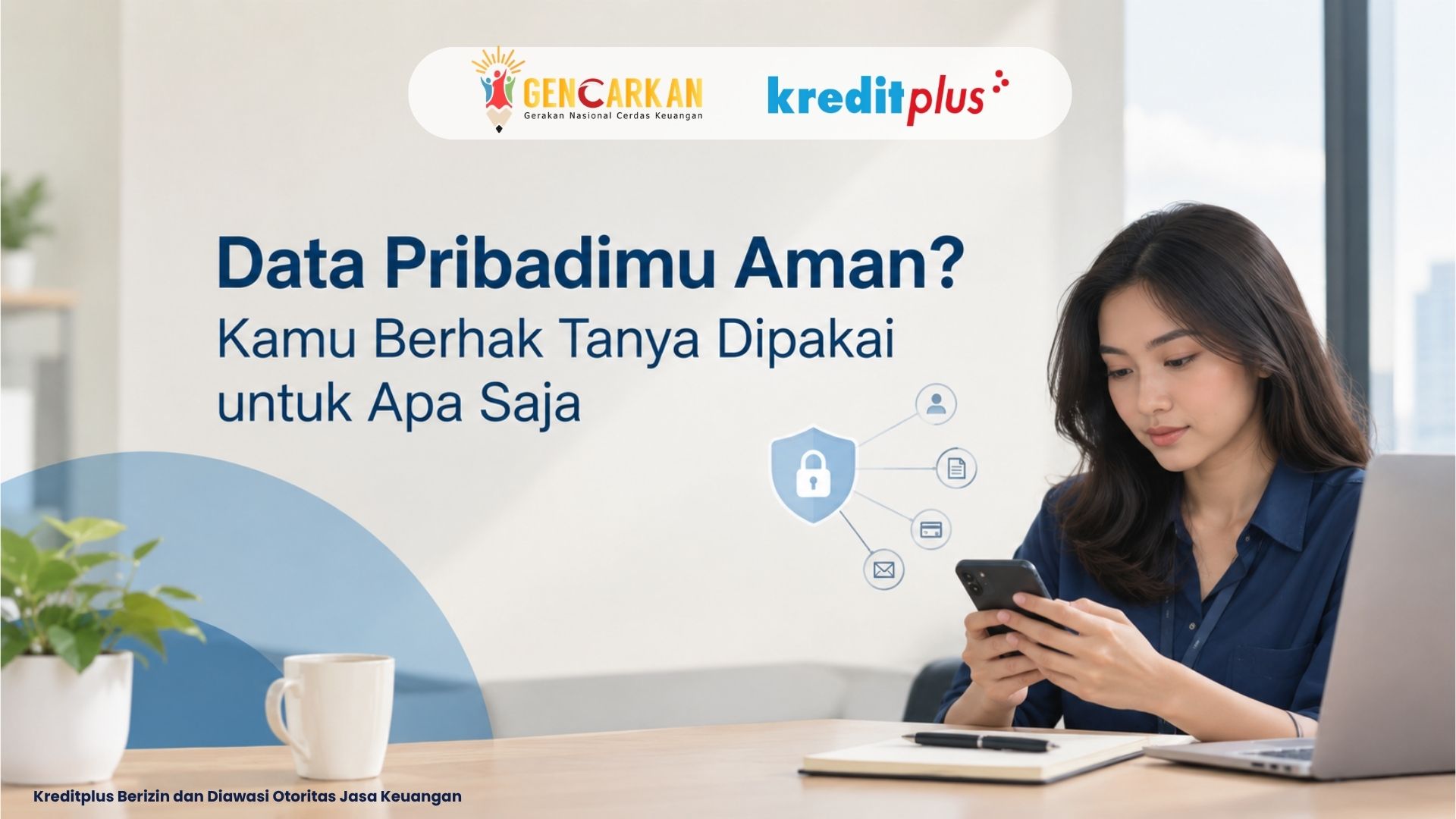
Saat menggunakan produk atau layanan jasa keuangan, mungkin ada saatnya kamu bertanya-tanya: “Data saya dipakai untuk apa, ya?”
See More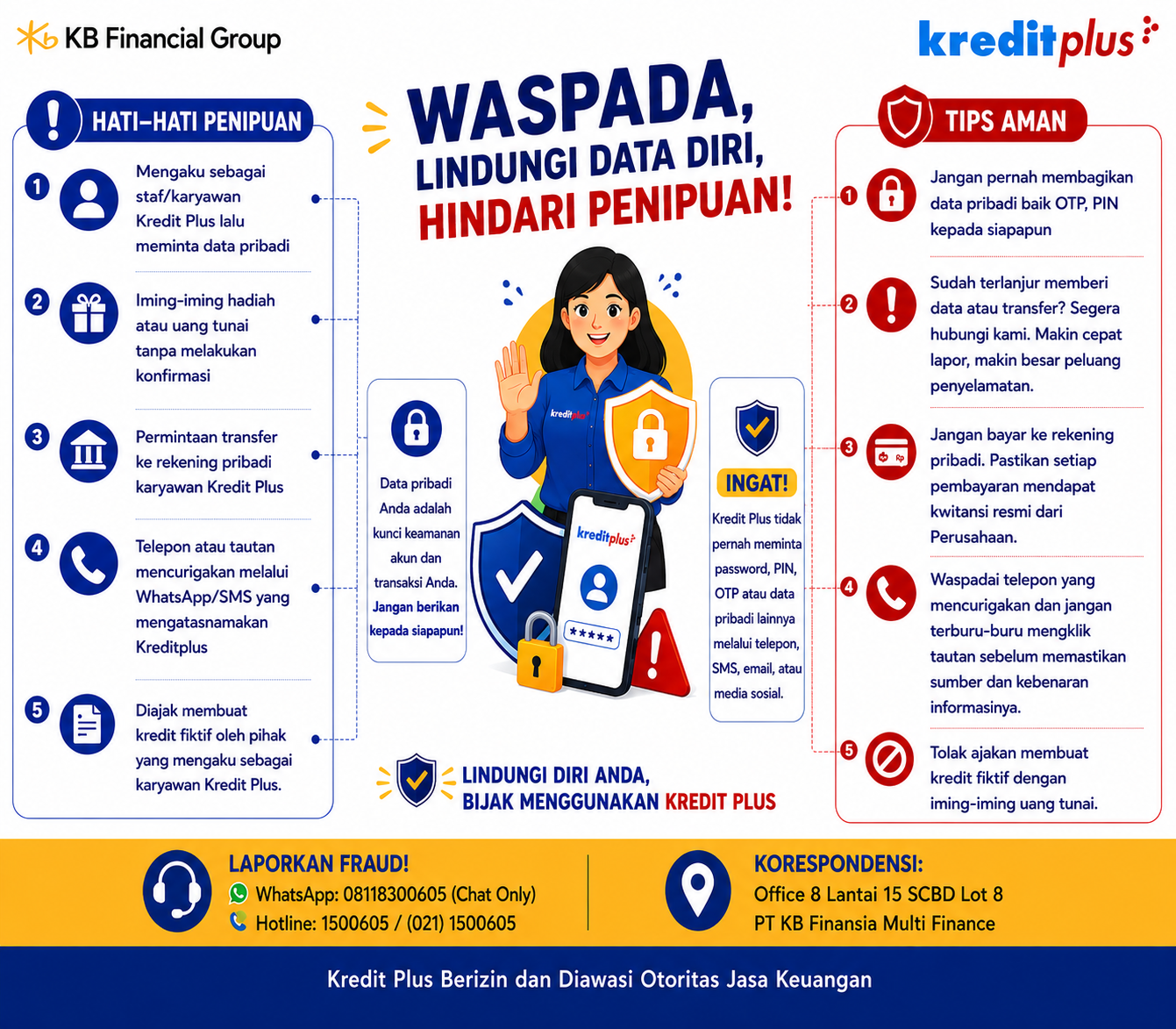
Penipuan bisa menimpa siapa saja. Selalu jaga kerahasiaan kode OTP, PIN, dan password Anda agar tidak disalahgunakan oleh pihak yang tidak bertanggung jawab.
See More